Dog-Friendly London in Autumn: The Best Parks, and Two to Avoid
Where to walk a dog in London this autumn, why the Royal Parks say to avoid Richmond and Bushy during the deer…
Read moreAwareness Days · 6 min read
International Dog Day falls on 26 August. What the day actually stands for, how UK owners can mark it, and why it matters more than usual with rescue centres at record capacity.
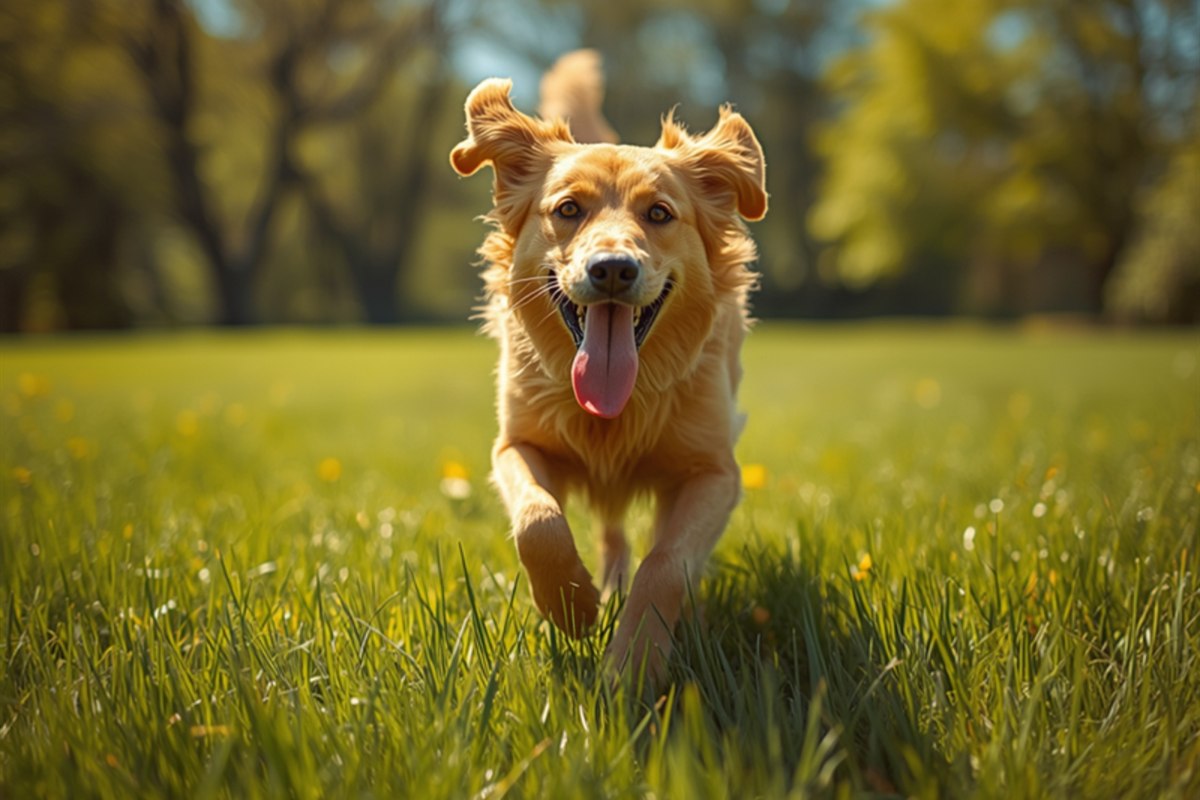
International Dog Day falls on 26 August, and it is one of the few dates in the calendar that belongs entirely to dogs. Not to a breed, not to a charity, not to a brand — to every dog, from the pedigree show winner to the scruffy rescue mongrel still waiting for a home.
It is also, quietly, one of the most useful days of the year for anyone thinking about getting a dog. Here is what the day actually stands for, how UK owners can mark it properly, and why it carries more weight in 2026 than it has for years.
International Dog Day — also known as National Dog Day — was founded in 2004 by Colleen Paige, an American pet lifestyle expert and animal rescue advocate. The day has three stated purposes, and they are worth separating out because they often get blurred together.
The day has since spread well beyond the United States. It was formally recognised by New York State in 2013, and it now trends worldwide every August, which is why you will see your social feeds fill with dog photographs on the 26th.
The date is not arbitrary, and the reason behind it is the whole point of the day. 26 August is the date Colleen Paige’s family adopted their first dog, a Sheltie, from a local animal shelter when she was ten years old.
In other words, International Dog Day is built on an adoption anniversary. That is why “post a photo of your dog” is only half of it. The other half is remembering the dogs who do not yet have anyone to post about them.
This is where the day stops being sentimental and starts being practical. UK rescue centres are under genuine strain.
The RSPCA has warned of a rehoming crisis, reporting record numbers of dogs coming into its care. It also recorded a 32% rise in pet abandonments in the early months of 2025 compared with the same period the year before, with the cost of food and veterinary care cited as major factors. Dogs Trust has reported similar pressure, with the number of owners asking to give up their dogs reaching record highs.
The pattern behind those numbers is consistent: dogs acquired quickly, without a realistic picture of the cost or the workload, and given up when reality arrives. That is a preventable problem, and it is the reason we write what we write.

If you already have a dog, the best celebrations cost nothing.
If you volunteer, foster, or simply sponsor a kennel for a month, that is worth more than any hashtag. Rescues are chronically short of foster homes, and fostering is often the single most useful thing an experienced owner can offer.

International Dog Day generates a spike in adoption enquiries, and rescues brace for it. That is a good thing when the enquiries are considered, and a bad thing when they are impulsive. Before you fill in an application, be honest with yourself about four things.
If you do decide on a puppy, our new puppy checklist covers everything worth buying before collection day. And if you are weighing up breeds, our guide to the Labrador Retriever explains why Britain’s most popular dog is not automatically the right one for every home.
The uncomfortable truth about awareness days is that attention spikes on the date and collapses the day after. Rescue centres feel that acutely: a flood of interest on 26 August, then quiet again by September.

So if International Dog Day moves you to do something, pick the thing that still helps in November. A standing monthly donation beats a one-off. Fostering beats sharing. And choosing to prepare properly — before you bring any dog home — beats every hashtag on the internet, because it is the single best way to make sure that dog never ends up back in a kennel.
Most dogs given up in their first year are given up by people who loved them and were simply unprepared. That is the gap our guide exists to close.
Getting a Puppy? A Friendly, No-Nonsense Guide for First-Time Owners covers puppy-proofing room by room, surviving the first night, house-training week by week, the puppy blues nobody warns you about, and a 12-point readiness checklist to work through before you commit. It is written the way we would explain it to a friend — honest about the hard parts, no scare tactics.
Get the guide — instant download →
Instant PDF download · read it tonight · all sales final
This article is general information for UK dog owners and is not veterinary advice. If you have concerns about your dog’s health, speak to your vet. Rehoming policies vary between centres — always check directly with the rescue.
Where to walk a dog in London this autumn, why the Royal Parks say to avoid Richmond and Bushy during the deer…
Read moreWhy the arrival date matters more than the decision, how to buy without funding a puppy farm, and what the first month…
Read moreWhen your puppy is actually protected, when they can go out, and how to socialise them safely in the meantime.
Read moreWe’ve sent The New Puppy Checklist to your inbox. If it isn’t there in a couple of minutes, have a look in your spam or promotions folder.